Description
———-PART1———-
1. Technical Specifications of American Standard Timing Pulleys
|
Type |
Teeth No. |
Type |
Teeth No. |
| XL 1/5” Pitch | H 1/2‘’ Pitch | ||
|
XL037 Minimum Plain Bore |
10~72 |
H100 Minimum Plain Bore | 14~28 |
|
L 3/8” Pitch |
H100 QD Type | 14~120 | |
|
L050 Minimum Plain Bore |
10~32 |
H100 Taper Bushed Type |
14~60 |
|
L050 QD Type |
18~84 |
H150 Minimum Plain Bore | 14~26 |
|
L050 Taper Bushed Type |
18~60 |
H150 QD Type | 14~120 |
|
L075 Minimum Plain Bore |
12~32 |
H150 Taper Bushed Type |
14~60 |
|
L075 QD Type |
18~84 |
H200 Minimum Plain Bore | 14~26 |
|
L075 Taper Bushed Type |
18~60 |
H200 QD Type | 16~120 |
|
L100 Minimum Plain Bore |
14~32 |
H200 Taper Bushed Type |
16~60 |
|
L100 QD Type |
18~84 |
H300 Minimum Plain Bore | 16 |
|
L100 Taper Bushed Type |
18~60 |
H300 QD Type | 22~120 |
|
|
|
H300 Taper Bushed Type |
18~60 |
|
XH 7/8” Pitch |
|||
|
XH200 Minimum Plain Bore |
18~20 |
XH300 Minimum Plain Bore | 18~20 |
|
XH200 Taper Bushed Type |
22~60 |
XH300 Taper Bushed Type |
22~60 |
|
|
|
XH400 QD Type |
20~120 |
———-PART2———-
2. Gear-Pulley-American Standard Timing Pulleys
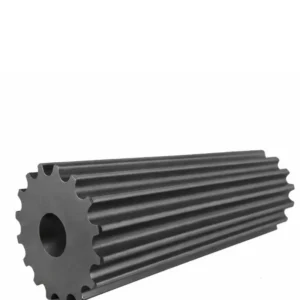
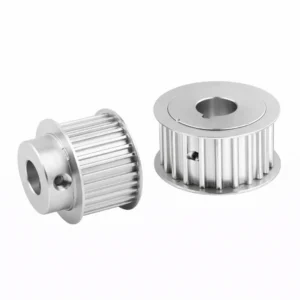
The Gear-Pulley-American Standard Timing Pulleys are engineered for precision and performance, making them a vital component in various mechanical applications. These pulleys are designed to synchronize motion effectively, ensuring that timing belts maintain optimal engagement. Crafted from high-quality materials, they offer durability and resistance to wear, making them ideal for demanding environments.
Available in different sizes and tooth configurations, our timing pulleys cater to a wide range of needs, from automotive to industrial machinery. The American standard design ensures compatibility with numerous existing systems, streamlining installation and maintenance. Users can expect reduced slippage and increased efficiency, leading to improved overall productivity.
Whether you are upgrading your system or building new equipment, our timing pulleys provide a reliable solution. With precise engineering and high-performance attributes, these pulleys not only meet but exceed industry standards, ensuring that your machinery operates smoothly and efficiently.
———-PART3———-
3. Gear-Pulley-American Standard Timing Pulleys
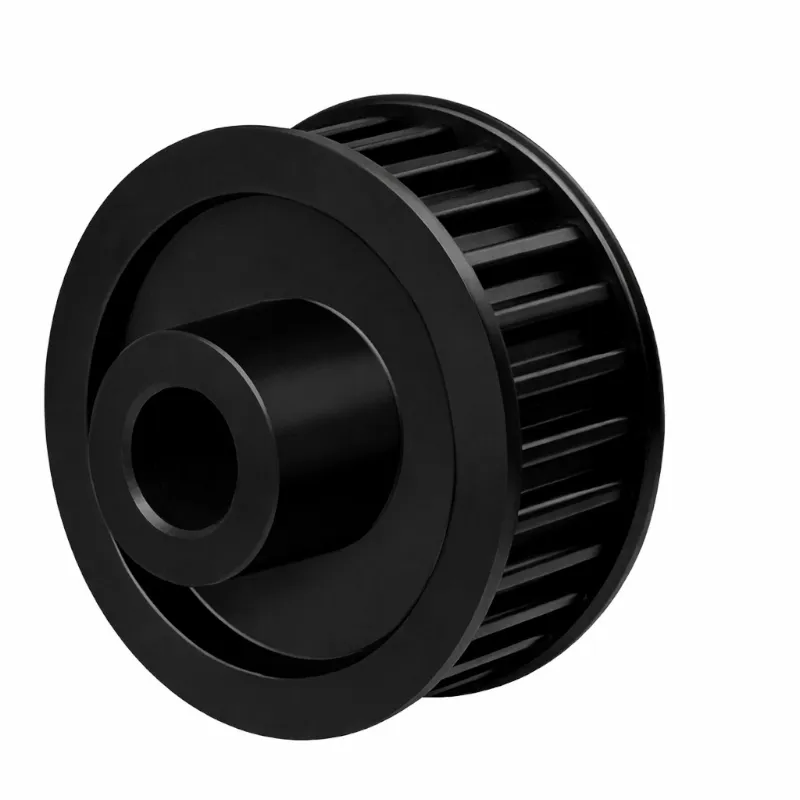
Our Gear-Pulley American Standard Timing Pulleys are engineered for superior performance and reliability in various applications. These pulleys are designed to provide precise synchronization between components, ensuring optimal machinery operation. With an emphasis on durability, our products are constructed from high-quality materials that resist wear and tear, ultimately extending the lifespan of your equipment.
One of the standout benefits of our timing pulleys is the enhanced accuracy they offer. By minimizing slippage, these pulleys maintain the exact timing needed for complex machinery, leading to improved efficiency and productivity. This precision is crucial in industries such as robotics, automotive, and manufacturing, where even minor discrepancies can lead to significant setbacks.
Moreover, our Gear-Pulley systems reduce vibration and noise, creating a smoother operational environment. The ergonomic design allows for easy installation and maintenance, saving valuable time and resources. With a variety of sizes and configurations available, these pulleys can be easily tailored to meet specific needs, making them a versatile choice for any project.
Investing in our Gear-Pulley American Standard Timing Pulleys not only enhances your machinery’s performance but also contributes to long-term cost savings and operational excellence.
———-PART4———-
4. Gear-Pulley-American Standard Timing Pulleys
4.1. Robotics Automation
In the field of robotics, precision and synchronization are paramount. Gear-Pulley American Standard Timing Pulleys are integral to these systems, ensuring that motors and actuators work in perfect harmony. The unique design minimizes backlash, allowing for seamless motion transfer and improved positional accuracy. From robotic arms performing intricate tasks to automated guided vehicles navigating complex paths, these pulleys help maintain consistent torque and speed. The robustness of the materials used in these pulleys ensures durability under high stress, making them ideal for demanding robotic applications.
4.2. Conveyor Systems
Conveyor systems are the backbone of modern manufacturing and logistics. Gear-Pulley American Standard Timing Pulleys play a vital role in driving the belts that transport materials across various stages of production. Their precise timing ensures that items move in sync, reducing wait times and enhancing overall efficiency. Moreover, the ability to handle varying loads without significant wear extends the lifespan of the system. These pulleys are designed for easy integration into existing setups, allowing for quick upgrades to enhance performance without extensive downtime.
4.3. Textile Machinery
The textile industry demands high-speed operations while maintaining exacting standards for quality. Gear-Pulley American Standard Timing Pulleys are engineered to meet these requirements, providing reliable power transmission in machines such as looms and knitting equipment. The precise timing allows for consistent fabric production, reducing defects caused by slip or misalignment. Additionally, the pulleys’ ability to operate quietly minimizes noise pollution in production environments, creating a better workspace. Their design also facilitates easier maintenance, ensuring minimal disruption to production schedules.
4.4. Automotive Applications
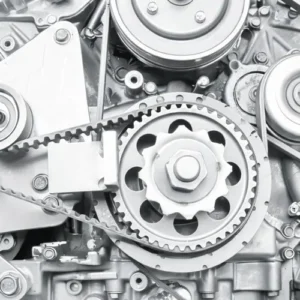
In automotive engineering, timing is everything. Gear-Pulley American Standard Timing Pulleys are commonly used in engines and ancillary systems to ensure that components like camshafts and crankshafts operate in unison. This synchronization is critical for optimal engine performance and efficiency. The high tensile strength of these pulleys allows them to withstand the harsh conditions found in automotive environments. Furthermore, their lightweight construction contributes to overall vehicle efficiency, making them a popular choice among manufacturers aiming for performance and fuel economy.
4.5. Home Appliances
Many home appliances rely on timing systems to function effectively. Gear-Pulley American Standard Timing Pulleys can be found in devices such as washing machines, microwaves, and food processors. Their role is crucial in driving motors and ensuring that moving parts operate at the correct intervals. By reducing noise and enhancing energy efficiency, these pulleys contribute to a more user-friendly experience. The adaptability of these pulleys allows for seamless integration into various appliance designs, catering to the evolving needs of modern households.
———-PART5———-
5. Why Colombian Industries Choose Our Gear-Pulley Solutions
1. Built for Real Colombian Conditions
From the high-altitude workshops of Bogotá to the humid coastal plants near Cartagena, our components are engineered to resist thermal expansion, moisture ingress, and particulate contamination—common challenges in local operations.
2. Material Intelligence, Not Just Metal
We don’t just sell steel pulleys. We recommend the right material for your environment:
Hardened alloy steel for high-torque mining conveyors
Anodized aluminum for lightweight, corrosion-resistant packaging lines.
3. No Time Zone Delays, No Language Barriers
Our technical team can speak fluent Spanish and English. When your line stops at 3 PM in Cali, you get a real engineer—not a chatbot—on the phone within minutes.
Serving Every Region, From Andes to Amazon
Whether you’re maintaining irrigation pumps in Tolima, upgrading bottling lines in Barranquilla, or rebuilding rock crushers in Boyacá—we deliver tested, traceable, and ready-to-install gear-pulley systems across all 37 departments.
———-PART6———-
6. FAQ:
Q1. What are Gear-Pulley American Standard Timing Pulleys used for?
Gear-Pulley American Standard Timing Pulleys are used to transfer rotary motion and torque between shafts while maintaining precise synchronization. They are commonly employed in applications where accurate positioning and timing are critical, such as in conveyor systems, printing presses, robotics, and machinery with belt-driven mechanisms. Their toothed design allows them to mesh seamlessly with timing belts, ensuring stable, consistent performance.
Q2. How do I choose the right size timing pulley for my application?
To choose the right size timing pulley for your application, consider the following factors:
-
Belt Type and Pitch: The timing pulley must match the belt type (e.g., HTD, GT2, or T5) and pitch (distance between teeth).
-
Load Requirements: Select a pulley that can handle the required torque and load without causing excessive wear.
-
Speed and Distance: Determine the required speed and the distance between pulleys to select the appropriate diameter and number of teeth.
-
Material and Environment: Consider the environmental factors (e.g., heat, moisture) and choose a suitable material like aluminum, steel, or plastic.
-
Space Constraints: Ensure the pulley fits within the space available in the machinery.
Q3. Where can I find reliable specifications for Gear-Pulley products?
Reliable specifications for Gear-Pulley products can typically be found through:
-
Manufacturer’s Website: Gear-Pulley’s official website usually provides detailed product specifications, including dimensions, materials, and performance data.
-
Product Catalogs: Manufacturers often offer downloadable catalogs containing detailed specs for various timing pulleys.
-
Distributors and Suppliers: Authorized distributors and suppliers of Gear-Pulley products may also provide datasheets and technical support.
-
Engineering Standards: Refer to industry standards, such as the ANSI (American National Standards Institute), for specifications on timing pulleys.
Q4. When should I consider replacing my timing pulleys?
Consider replacing timing pulleys when:
-
Excessive Wear: If the teeth on the pulley show signs of wear or damage that affect belt engagement.
-
Slippage: If the pulley slips or does not maintain consistent timing, affecting system performance.
-
Cracking or Fractures: If the pulley material has cracks or fractures, potentially causing failure.
-
Noise or Vibration: If you notice unusual noise or vibrations during operation, indicating misalignment or damage to the pulley.
-
Performance Degradation: If the system performance declines over time, or if the pulley is no longer able to meet load and speed requirements.
Q5. Which materials are used in the manufacturing of Gear-Pulley timing pulleys?
Gear-Pulley timing pulleys are commonly made from:
-
Aluminum: Lightweight and resistant to corrosion, often used for low-load applications.
-
Steel: Strong and durable, suitable for high-torque applications where strength and wear resistance are critical.
-
Stainless Steel: Offers corrosion resistance, making it ideal for applications in harsh environments.
-
Plastic or Nylon: Used for lighter-duty applications where noise reduction is desired.
-
Cast Iron: Offers high durability and strength but may be heavier than other materials.
-
Brass or Bronze: Sometimes used for specialized applications requiring corrosion resistance and self-lubrication.
Q6. How do timing pulleys affect the overall performance of a mechanical system?
Timing pulleys are critical for ensuring precise synchronization between components in a mechanical system. They:
-
Maintain Accurate Timing: By meshing with the timing belt, they ensure that the motion is consistent and aligned, preventing slippage.
-
Control Speed and Torque: Timing pulleys help regulate the speed and torque transmitted from one part of the system to another.
-
Reduce Wear and Tear: Properly sized and aligned pulleys reduce friction and wear on other mechanical parts.
-
Improve Efficiency: With precise movement, timing pulleys improve the overall energy efficiency of the system by reducing losses due to slippage or misalignment.
Q7. What maintenance is required for Gear-Pulley American Standard Timing Pulleys?
Maintenance for Gear-Pulley timing pulleys typically includes:
-
Regular Inspection: Check the pulleys for wear, cracks, and signs of damage.
-
Lubrication: Some pulleys may require periodic lubrication to reduce friction and prevent wear.
-
Cleaning: Keep pulleys free of dirt, dust, and debris that can cause wear on the pulley teeth.
-
Alignment Check: Ensure that the pulleys are correctly aligned with the timing belt to avoid slippage and uneven wear.
-
Belt Tension: Ensure that the timing belt is properly tensioned to avoid excess stress on the pulleys.
Q8. Where can I purchase genuine Gear-Pulley timing pulleys?
Genuine Gear-Pulley timing pulleys can be purchased from:
-
Official Gear-Pulley Distributors: Check the official Gear-Pulley website for a list of authorized distributors.
-
Industrial Supply Companies: Companies like Grainger, McMaster-Carr, or RS Components offer genuine Gear-Pulley products.
-
Online Marketplaces: Websites like Amazon and eBay may offer Gear-Pulley products, but ensure that the seller is authorized.
-
Local Dealers: Depending on your location, you may find authorized Gear-Pulley dealers or resellers who specialize in industrial components.
Q9. When are timing pulleys typically used in industrial applications?
Timing pulleys are commonly used in:
-
Conveyor Systems: To synchronize belts and control speed.
-
Printing Presses: To ensure consistent motion and print alignment.
-
Robotics: To control the movement of robotic arms with high precision.
-
Textile Machinery: For controlling the speed and synchronization of machines that weave, knit, or cut fabric.
-
Automated Systems: In applications where precise control of motion, speed, and torque is required, such as in CNC machines or automated assembly lines.
Q10. How can I ensure that my timing pulleys are installed correctly?
To ensure correct installation of timing pulleys:
-
Follow Manufacturer’s Instructions: Always refer to the installation manual provided by the manufacturer for specific guidelines.
-
Check Alignment: Ensure the pulleys are properly aligned with the timing belt to prevent wear and slippage.
-
Proper Tensioning: Ensure that the timing belt is neither too tight nor too loose to avoid undue strain on the pulleys.
-
Use Correct Tools: Use appropriate tools to install the pulleys and tighten any set screws or bolts securely.
-
Monitor Initial Operation: After installation, run the system at a low speed to check for proper engagement and smooth operation before ramping up to full speed.